What to Buy in Nhulunbuy? Ten Meaningful Souvenirs to Take Home
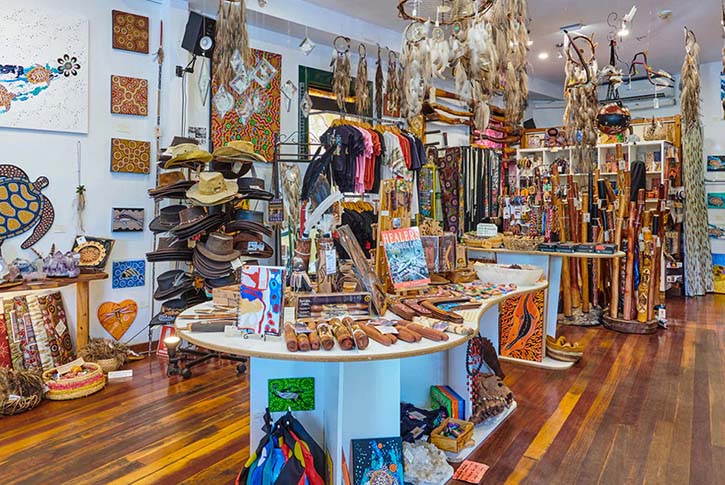
Located on the Gove Peninsula in Northeast Arnhem Land, Northern Territory, Nhulunbuy is a remote and profoundly enriching destination that offers more than rugged coastlines, ancient escarpments, and unforgettable sunsets. It is a place where the Yolŋu people have lived for tens of thousands of years and where cultural and natural heritage are intertwined. Amid this untamed beauty lies a remarkable opportunity to bring a piece of Nhulunbuy home—not only as a memory but as a respectful tribute to its land and its people.
Shopping in Nhulunbuy is not about luxury brands or mass-produced novelties. It is a curated experience, one steeped in meaning, craftsmanship, and the deep stories that echo through the red earth and azure waters. The souvenirs here are not mere items; they are messages, each carrying a fragment of Arnhem Land’s spirit. Below is an in-depth exploration of ten significant and respectful souvenirs that can be found in Nhulunbuy—items that are worth far more than their price tags and offer long-lasting value as gifts or personal mementos.
1. Yolŋu Bark Paintings: Art Rooted in Ancestry
At the core of Yolŋu expression is bark painting—a visual language etched in ochres on stringybark harvested from local trees. These artworks are not decorative abstractions. They are sacred expressions of ancestral stories, totems, and clan identities.
When purchasing bark paintings, seek those created by artists from Buku-Larrŋgay Mulka Centre in Yirrkala, an art centre with a longstanding commitment to preserving Yolŋu culture and community benefit. Each painting usually comes with provenance documentation detailing the artist’s background and the story being told. The bark is stripped, flattened, cured over fire, and painted using natural pigments—red from iron-rich earth, white from pipe clay, and black from charcoal. These materials imbue the painting with a literal piece of Arnhem Land.
Prices vary depending on the size and the artist’s renown. Some may range from a few hundred dollars to several thousand. This is not simply a purchase—it is a cultural investment, a connection to ancient knowledge and narrative that stretches beyond generations.
2. Didgeridoos: Resonating with Deep Time
Although the didgeridoo—referred to as yidaki in Yolŋu Matha—is often sold as a souvenir in various parts of Australia, buying one in Nhulunbuy carries particular authenticity. This is its birthplace. The Yolŋu people are among the original custodians of the instrument, and the craftsmanship here reflects that heritage.
A genuine yidaki is not just hollowed wood; it is traditionally harvested from termite-hollowed eucalyptus trees and painted with clan motifs and sacred symbology. The sound of a yidaki is deep, primeval, and immersive. Its creation involves cultural protocols, and each instrument may be tuned to different pitches for ceremonial or musical purposes.
Seek a yidaki that has been certified by Yolŋu artists or endorsed by the Buku-Larrŋgay Mulka Centre. Playing one in its rightful context requires understanding, so when purchasing, ask about its origin, tuning, and appropriate use. It is advisable to avoid didgeridoos made for commercial purposes in souvenir shops, as many lack cultural integrity.
3. Woven Pandanus Baskets and Mats: Traditional Craft, Contemporary Form
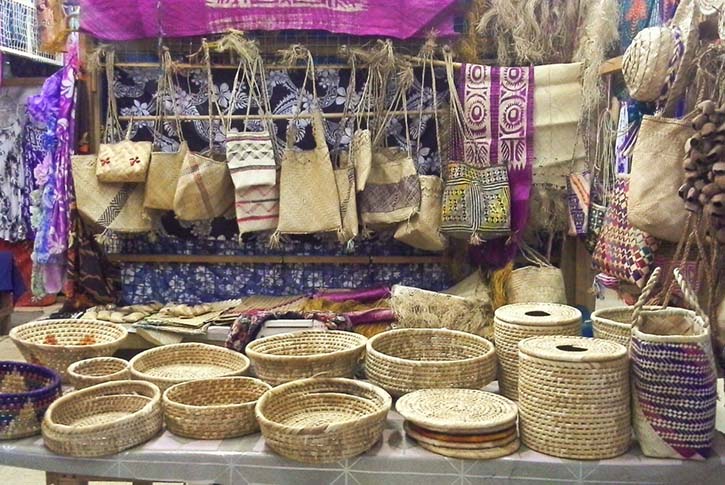
Colorful and highly durable, woven pandanus items are an emblem of Yolŋu women’s artistry. The craft of stripping, dyeing, and weaving pandanus leaves is often passed down through generations, and each piece embodies both functional beauty and community heritage.
In Nhulunbuy, one may find these weavings in several forms: baskets, mats, dilly bags, and even wall hangings. Natural dyes derived from roots, berries, and bark infuse the fibres with rich tones of ochre, green, maroon, and yellow. Each piece is unique—no two designs are identical, and the weaver often incorporates her own symbolic designs, sometimes referencing elements such as waterholes, songlines, or totem animals.
Purchasing these works directly from artists or cooperatives ensures that the cultural knowledge embedded in the practice is acknowledged and supported. It also provides an opportunity to understand the slow, meditative process behind each object. These items travel well and serve both as home décor and as meaningful links to Arnhem Land’s textile tradition.
4. Yirrkala Prints and Etchings: The Modern Face of Ancient Lore
While bark painting is traditional, Yolŋu artists have also embraced modern printmaking techniques to continue telling their stories in new formats. Lino cuts, etchings, and screen prints created at Yirrkala Print Space carry the same spiritual gravity as bark paintings but are more portable and often more affordable.
Prints explore themes of kinship, ancestral land, marine life, and ceremonial law. Artists such as Wukun Wanambi, Nawurapu Wunungmurra, and Djambawa Marawili have gained national and international recognition for their powerful imagery. Each limited-edition print is usually signed and numbered, ensuring its place within the canon of contemporary Indigenous Australian art.
These prints are ideal for collectors and art enthusiasts seeking meaningful engagement with Aboriginal culture in a format that suits modern living spaces. Framing enhances their presentation, and they serve as daily reminders of the stories that shape Yolŋu life.
5. Shell Necklaces and Natural Jewelry: Ocean’s Memory Preserved
The shoreline near Nhulunbuy teems with beautiful marine shells, many of which find second lives as adornments crafted by local artisans. Shell necklaces—once used in ceremonial exchange systems—remain an enduring form of personal and cultural expression.
Many women in the region continue this craft, selecting shells such as cowries, trochus, and oyster. These are cleaned, sometimes painted or scorched, and strung in patterns that may reflect the maker’s clan affiliations or personal creativity. Some pieces may also include seeds, natural fibres, or even teeth from hunted animals, depending on the artist’s design intent.
Unlike industrial jewelry, each necklace or bracelet has a tactile connection to the land and sea. Purchasing such pieces often supports individual artists or families, and in many cases, proceeds are reinvested into community projects or cultural programs.
6. Dilly Bags and Fibre Sculptures: Functional Beauty from Bush Knowledge
Dilly bags—woven containers made from bush string or pandanus—were historically used to carry food, tools, and ceremonial items. Today, they have found new audiences as home accents and cultural tokens. Each bag is a story woven with hands that remember thousands of years of knowledge.
In Nhulunbuy, one may encounter contemporary fibre sculptures created from similar techniques. These include animal forms, abstract structures, and even totemic representations made from dyed pandanus or bush string. These sculptures often blend traditional forms with artistic innovation, reflecting both heritage and evolving artistic exploration.
Purchasing these items helps to sustain endangered fibre arts, particularly among younger generations. As more Yolŋu youth engage with these traditions in contemporary ways, fibre sculptures offer an evolving medium that links past, present, and future.
7. Bush Medicine and Skincare: Healing from the Land
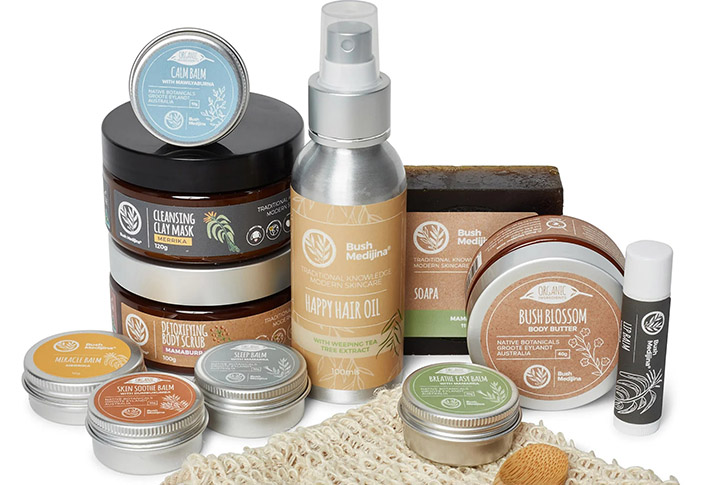
The Yolŋu people have deep botanical knowledge, and some of this has found its way into small-batch bush medicine products—often sold as balms, salves, and oils. Made using native plants like eucalyptus, tea tree, billy goat plum (kakadu plum), and emu bush, these products are used for soothing skin, relieving pain, and improving overall wellness.
Local cooperatives and enterprises sometimes partner with Elders and traditional healers (ngangkari) to create ethically made products. These are often hand-poured, with minimal processing, retaining the efficacy of their ingredients. For those with an interest in natural wellness, these items serve both practical and spiritual purposes.
It is essential to purchase such items from reputable outlets that ensure the intellectual property of Indigenous knowledge is respected and properly attributed. This not only safeguards tradition but also ensures that the benefits return to the rightful communities.
8. Yolŋu Language Books and Cultural Guides: Understanding Through Words
Language is a vessel of worldview. To engage more deeply with Arnhem Land’s culture, consider taking home books that explore Yolŋu Matha languages, stories, and philosophies. These are often bilingual publications created collaboratively by Yolŋu authors, linguists, and cultural organisations.
Books may include children’s stories, creation myths, autobiographies, and explanations of Yolŋu kinship systems. Some are illustrated with traditional designs, while others focus on practical vocabulary and pronunciation. For those passionate about anthropology, linguistics, or education, these books offer access to one of the world’s most sophisticated oral traditions.
Many titles are available at Buku-Larrŋgay Mulka or Nhulunbuy library and local bookshops. They make thoughtful gifts and are powerful tools for deeper cultural understanding.
9. Photographic Prints and Landscapes by Local Artists
The wild terrain of Nhulunbuy—the cliffs of Cape Arnhem, the mangrove-lined estuaries, and the endless blue of the Gulf of Carpentaria—has inspired a growing number of local photographers to capture the raw beauty of the region. Many of these images are offered as limited-edition prints, some mounted on canvas, wood, or acrylic.
What sets these photographs apart is their grounding in place and often in community relationships. Photographers with local ties, particularly Indigenous artists, bring an insider’s eye to landscapes that others may see only superficially. Whether it is a long exposure of moonlight over a tidal inlet or a candid portrait of ceremonial dance, these works are often stories frozen in time.
Several community markets and art centres sell these works. Choose those where the artist is credited and where proceeds support creative livelihoods within Nhulunbuy and its surrounding homelands.
10. Handmade Ceramics and Clay Work: Earth Born, Hand Formed
Although not traditionally a Yolŋu medium, ceramics have gained prominence as a form of contemporary Aboriginal art in Arnhem Land. Local clay is harvested and shaped into vessels, bowls, and sculptural forms that draw from Yolŋu symbols and stories.
These pieces often feature carved designs, natural ochres, and fired finishes that echo the colours of the land. Some are functional—serving as cups, plates, or incense holders—while others are purely artistic. They blend tradition with experimentation, presenting a forward-looking interpretation of Indigenous material culture.
Studios near Nhulunbuy may offer workshops, or one may find such works during seasonal exhibitions and pop-up markets. They provide an opportunity to support cross-cultural creativity and innovation within the community.
Located on the Gove Peninsula in Northeast Arnhem Land, Northern Territory, Nhulunbuy is a remote and profoundly enriching destination that offers more than rugged coastlines, ancient escarpments, and unforgettable sunsets. It is a place where the Yolŋu people have lived for tens of thousands of years and where cultural and natural heritage are intertwined. Amid…